





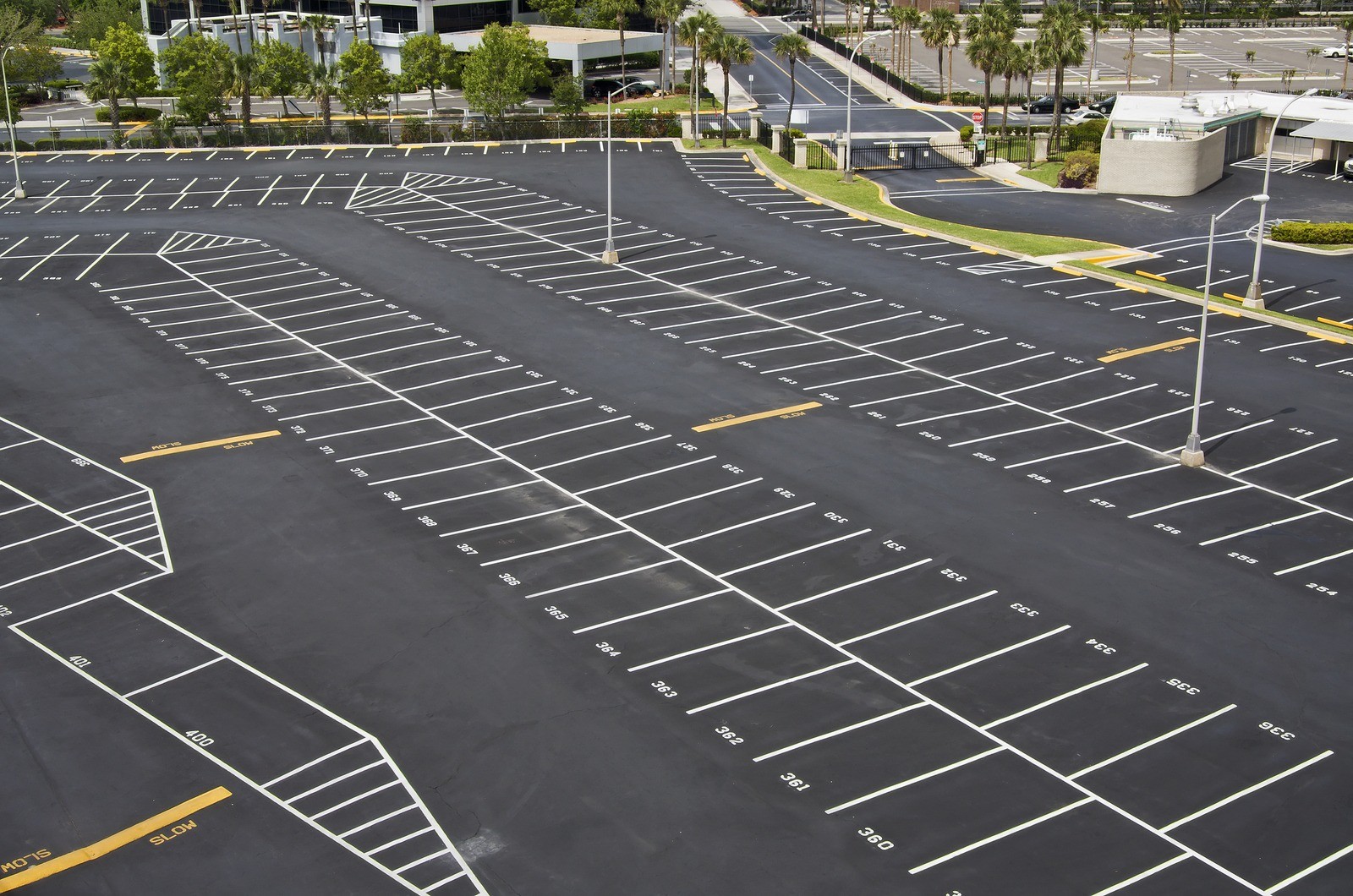
Why Quality Parking Lot Paving Is Crucial For Your Business
Key Takeaways:
- A well-paved parking lot enhances curb appeal and reflects the professionalism of a business, impacting customer attraction and retention.
- Investing in quality materials like asphalt and concrete ensures durability and longevity, reducing long-term maintenance costs.
- Safety and functionality are crucial; well-paved lots help prevent accidents and improve traffic flow.
- Experience and expertise are vital when choosing a paving contractor; vetting through portfolios and customer testimonials is recommended.
- Understanding the difference between cost and value is essential; the cheapest option may lead to additional expenses later.
- A thorough site assessment and preparation phase lay the groundwork for a successful paving project.
- Choosing the right materials based on climate and usage needs can significantly impact the performance of the parking lot.
- Clear communication on timelines and scheduling minimizes business disruption during the paving process.
- Regular inspections can catch issues early, while seasonal care extends the lifespan of the parking lot.
- Be aware of signs indicating the need for professional repairs, such as widespread cracks, drainage issues, or faded markings.
Why Professional Parking Lot Paving Matters: The Foundation of Your Business
The First Impression: How a Well-Paved Lot Enhances Curb Appeal
In the competitive landscape of modern commerce, first impressions can make or break a business. A parking lot often serves as the first point of contact for customers and clients, making its appearance paramount. An impeccably paved parking lot not only enhances curb appeal but also reflects the overall professionalism and quality of the business itself. It sends a message of care and attention to detail. For example, imagine a potential customer approaching a retail store. If the parking lot is uneven, filled with potholes, or poorly marked, the likelihood of them entering the store diminishes significantly. In contrast, a smooth, freshly paved lot with clear markings signals that the business values its customers and their experience. Well-maintained parking areas can also give businesses a competitive edge, making them more inviting compared to competitors with neglected facilities. Ultimately, investing in professional parking lot paving service shapes perception and plays a critical role in customer retention and attraction.
Durability and Longevity: Investing in Quality Paving Materials
When it comes to parking lot paving, the type of material used can significantly impact the longevity and durability of the surface. While asphalt and concrete are the leading paving materials, understanding their qualities is essential for making an informed decision. Asphalt, known for its flexibility and ease of repair, provides an ideal solution for businesses that experience seasonal weather conditions. On the other hand, concrete, while generally more expensive, offers superior strength and longevity, particularly in high-traffic areas. Investing in quality paving materials impacts initial costs but pays off over time as lower maintenance costs and extended lifespans reduce expenditure in the long run. The initial outlay may seem considerable, but a well-paved lot can endure harsh weather conditions, heavy truck loads, and regular use without significant deterioration. Thus, when engaging a professional paving service, deep conversations about material options and their long-term benefits are crucial. This proactive approach ensures that businesses receive a paving solution that not only meets their immediate needs but also stands the test of time.
Beyond Aesthetics: The Importance of Safety and Functionality
Safety is paramount in any parking lot environment. A professionally paved lot is not merely about visual appeal; it’s fundamentally about functionality and safety. Cracked surfaces, potholes, and inadequate signage can lead to disastrous consequences, including accidents and liability issues. Well-defined lanes and clear parking space markings help direct traffic flow, minimizing the risk of collisions. Moreover, a well-paved lot decreases the likelihood of trip hazards for pedestrians, which is crucial for businesses that accommodate general foot traffic. Furthermore, addressing drainage issues through proper grading and surface material selection can prevent puddles and icy spots from forming, offering a safer environment during adverse weather conditions. Professional paving contractors understand these nuances and integrate best practices to enhance safety alongside aesthetics. Investing in a paving service that prioritizes both functionality and safety can result in a parking area that supports smoother operations and fosters a secure experience for customers and employees alike.
Choosing the Right Parking Lot Paving Service: What to Look For
Experience and Expertise: The Key Indicators of a Quality Paving Contractor
Selecting the right parking lot paving service is pivotal to ensuring a successful outcome. One of the first criteria to consider is experience; contractors with a robust track record of successful projects are more likely to deliver quality results. Experience equips contractors with the ability to foresee challenges and devise solutions promptly, ensuring that the paving project adheres to timelines and budget constraints. Additionally, expertise in various paving techniques and materials can significantly influence the project’s outcome. It’s advisable to vet potential contractors by reviewing their portfolio or case studies to assess their workmanship and adaptability to different project needs. Engaging in direct conversations about their experiences with specific materials and challenges they have encountered allows businesses to gauge their proficiency and compatibility. Ultimately, choosing a well-accredited company with strong industry experience can vastly improve the quality and durability of the paving work.
Customer Reviews and Testimonials: Weighing the Opinions of Others
In today’s digital age, customer reviews and testimonials provide invaluable insights into the reliability and quality of a paving contractor. Aggregated platforms like Google, Yelp, and industry-specific forums can serve as a litmus test for customer satisfaction and service reliability. Analyzing positive feedback can highlight the contractor’s strengths, while recurring complaints may raise red flags regarding punctuality, quality of work, or customer service. However, it’s important to not only focus on the rating but to read individual reviews to discern patterns. Fragile reviews may accompany the contractor’s comprehensive portfolio, outlining their ability to handle unexpected challenges and their overall professionalism. Asking previous clients directly about their experiences can also yield firsthand information on what to expect. When investing in a long-term asset like a parking lot, understanding the reputation and past performance of your chosen paving service can provide peace of mind.
Cost vs. Value: Understanding What You’re Really Paying For
When considering a parking lot paving service, price often emerges as the primary consideration. However, understanding the distinction between cost and value is crucial for making a sound investment. The cheapest option may seem appealing initially, but this could lead to hidden expenses down the road, such as premature repairs or inadequate service. Conversely, while a high-priced service may not always guarantee top quality, leading strategies in reputable contractors typically include comprehensive assessments, quality materials, and skilled labor that justify the cost. Therefore, when reviewing quotes, businesses should scrutinize which services are included, such as site assessments, material choices, and post-paving support. Engaging in firm discussions about warranties can also clarify the long-term return on investment. Ultimately, businesses should align their budget with the value offered, weighing quality over mere cost to ensure a satisfactory outcome that meets their needs and expectations.
From Planning to Completion: The Parking Lot Paving Process Demystified
Site Assessment and Preparation: Laying the Groundwork
The paving journey begins with an exhaustive site assessment, which lays the groundwork for a successful project. During this phase, professional contractors will evaluate various factors, including soil conditions, existing vegetation, drainage, and traffic patterns. A topographical survey may also be conducted to map out potential challenges like uneven terrain or existing structures that may affect the paving layout. This initial assessment is critical, as it informs necessary groundwork preparations, ensuring the right measures are taken to create a sound foundation. For instance, inadequate soil conditions may require subgrade stabilization or the insertion of drainage solutions to prevent water accumulation, which could jeopardize the longevity of the pavement. The site preparation phase is intricate and may involve excavation, grading, and the installation of essential drainage systems. Investing the time and resources into a thorough assessment and preparation phase solidifies the foundation for durable paving and enhances the overall stability of the parking lot.
Choosing the Right Materials: Asphalt, Concrete, and More
Selecting the appropriate material is fundamental to the success of a parking lot paving project. The two primary materials utilized – asphalt and concrete – each possess unique qualities that cater to different needs and conditions. Asphalt is often favored for its flexibility, quick installation, and repairability, making it an ideal choice for projects where time is critical, or climates are variable. Its black surface can absorb heat, aiding in melting snow during winter. On the contrary, concrete boasts unparalleled durability and load-bearing capabilities, making it suitable for commercial settings that endure high traffic or heavy vehicle loads. Further innovations in paving materials, such as porous asphalt and previous concrete, offer eco-friendly drainage solutions that help minimize stormwater runoff. Each material comes with different maintenance requirements and life expectancies that should be discussed with the contractor. Ultimately, the choice of materials should be aligned with the specific use case of the parking lot, regional climate conditions, and budget considerations to ensure suitable performance and aesthetics.
Timelines and Scheduling: How to Minimize Disruption to Your Business
Understanding timelines and scheduling is crucial to executing a parking lot paving project with minimal disruption. Professional contractors should provide a detailed schedule that outlines key milestones and an estimated completion date. The scheduling of the paving work should ideally be planned during off-peak hours or times when customer traffic is low to lessen the impact on the business. Close communication with the paving service is essential to coordinate paving sequences and ensure compliance with local regulations regarding signage and traffic management. Moreover, exploring temporary parking solutions for employees and customers during the project can alleviate crowding issues and maintain business operations. Transparency regarding expected durations allows for proper planning resources and staffing efficiently. By discussing scheduling needs upfront, businesses can minimize downtime and ensure a seamless transition back to normal operations post-paving.
Maintenance Tips for Lasting Impact: Keep Your Parking Lot in Top Shape
Regular Inspections: Catching Issues Before They Become Problems
Once the parking lot is completed, ongoing maintenance is essential in retaining its visual appeal and structural integrity. Regular inspections can help detect developing issues like cracks or surface damage prematurely. A systematic evaluation schedule, ideally conducted bi-annually, allows property owners to identify warning signs that could escalate into more significant problems if left unchecked. Such inspections should focus on several factors: identifying cracks and fissures, monitoring for signs of sunken areas, and ensuring that drainage systems are functioning correctly. Establishing a proactive maintenance routine can save substantial costs associated with repairs and resurfacing down the line. For instance, even minor cracking should be filled promptly to prevent moisture infiltration that can lead to further degradation. Regular maintenance preserves the aesthetic value while ensuring the safety of pedestrians and vehicles using the lot.
Seasonal Care: Preparing Your Lot for Winter and Summer Weather
Seasonal care is essential in preserving the longevity of a parking lot. The harshness of winter can wreak havoc on asphalt surfaces, with ice and snow leading to cracking and potholes. Applying sealants in the late fall as a protective measure can help prevent water intrusion that occurs when temperatures fluctuate. Additionally, snow removal practices should be meticulous to avoid surface damage. During the summer months, the heat can cause asphalt to soften, leading to raveling. It’s prudent to assess the effects of UV exposure and potentially apply protective sealants or other treatments to extend the life of the pavement. This seasonal preparation extends beyond mere aesthetics; it safeguards against the potential liabilities precipitated by unsafe conditions arising from weather-induced damage. Establishing a comprehensive seasonal care strategy ensures that your parking lot remains safe, functional, and visually appealing year-round.
When to Call in the Professionals: Signs You Need Repair or Resurfacing
Knowing when to seek professional assistance is critical in maintaining the integrity of a parking lot. While regular maintenance can mitigate many issues, there are certain signs that indicate the need for repair or resurfacing. Widespread cracking, especially if it is deep and expansive, is usually one of the first indicators that a surface treatment or major repair is required. Additionally, water pooling or persistent drainage issues signal inadequate grading or surface distress, warranting professional intervention. Another potential sign is fading striping and markings that can compromise safety. If the lot’s appearance and functionality are declining, a consultation with a professional paving service can provide insight into whether resurfacing, crack sealing, or complete replacement is necessary. Regularly monitoring and promptly addressing signs of wear not only protects the investment but also ensures a positive experience for users, maintaining the business’s reputation for quality.
FAQ
Question: How often should I have my parking lot inspected? – It is recommended to have your parking lot inspected bi-annually to identify and address any developing issues like cracks or surface damage early on.
Question: What are the environmental benefits of choosing porous paving materials? – Porous paving materials allow for better water drainage and reduce stormwater runoff, which can help manage flooding and protect local waterways from pollution.
Question: Can I pave my parking lot during winter? – While it is technically possible to pave in winter, cold temperatures can affect material performance. It’s best to consult with your contractor about the best timing based on local conditions.
Question: What should I do to prepare my parking lot for heavy rainfall? – Ensure proper grading and functioning drainage systems are in place, and consider installing permeable materials to allow water absorption and minimize flooding.
Question: How long does it take for a newly paved parking lot to cure? – Typically, asphalt takes about 24 to 48 hours to set, while concrete can take up to a week or more, depending on the thickness and weather conditions.
Question: Should I seal my asphalt parking lot? If so, when? – Yes, sealing asphalt can extend its lifespan. It is generally recommended to apply a sealant every 1-3 years, depending on usage and wear.
Question: What are some common causes of cracking in parking lots? – Common causes include moisture infiltration, freeze-thaw cycles, heavy vehicle loads, and inadequate drainage, which can all contribute to surface deterioration.
Question: How can I choose the right color for my parking lot markings? – The color should enhance visibility and comply with local regulations. Generally, white is used for parking spaces while yellow is used for lanes and directional markings to ensure clarity for drivers.
Useful Resources
- National Asphalt Pavement Association (NAPA)
- Pavement Interactive
- Concrete Pavement Technology Center
- Asphalt Institute
- Global Asphalt Pavement Alliance
- American Concrete Institute (ACI)
- The Constructor
- Institute of Sustainable Infrastructure