





Smart Alcohol Monitoring Tech for Better Outcomes and Oversight
For decades, alcohol monitoring relied heavily on occasional check-ins, self-reporting, and trust-based systems. While these methods still have a place, they often leave room for uncertainty. Whether in family settings, workplace compliance programs, recovery journeys, or legal supervision, stakeholders increasingly seek reliable ways to understand alcohol consumption patterns without constant manual oversight.
Advances in digital technology have transformed many aspects of health and behavioral monitoring, and alcohol tracking is no exception. Modern solutions now provide timely insights, improve accountability, and help create more informed decision-making processes. Soberlink is one example of how technology has been integrated into accountability-focused recovery practices.
Key Takeaways
. Alcohol monitoring technology is becoming more accurate and user-friendly.
. Digital reporting reduces uncertainty and improves accountability.
. Real-time data can support recovery, compliance, and oversight efforts.
. Modern systems help reduce reliance on self-reporting alone.
. Privacy, transparency, and ease of use are important considerations when choosing monitoring solutions.
Why Traditional Monitoring Often Falls Short
Human behavior is complex. When alcohol consumption needs to be monitored, relying solely on verbal reports or periodic observations can create gaps in understanding. A person may unintentionally forget details, delay reporting, or provide incomplete information.
This challenge becomes especially important when alcohol use affects personal safety, legal responsibilities, workplace requirements, or family agreements. In such situations, decisions are often made based on limited information.
Technology helps address this issue by creating objective records. Rather than depending entirely on memory or assumptions, stakeholders can access verified information that supports more informed conversations and decisions.
The Shift toward Connected Monitoring Systems
Modern monitoring technology focuses on convenience and reliability. Instead of requiring frequent in-person appointments, many systems allow testing and reporting to occur remotely. Connected platforms can automatically store results, generate reports, and notify authorized individuals when information is available. This reduces administrative burdens while improving consistency.
The ability to access data remotely has become particularly valuable in today’s increasingly digital environment. Families, counselors, employers, and legal professionals can review information without needing to coordinate constant face-to-face interactions.
When Data Supports Better Decision-Making
One of the most significant benefits of smart monitoring technology is its ability to provide context over time. A single result offers only a snapshot. Multiple verified records, however, can reveal trends and patterns that help stakeholders better understand progress, setbacks, or areas requiring additional attention.
For individuals working toward healthier habits, consistent tracking can provide measurable evidence of their efforts. For supervisors or support networks, access to objective data may reduce misunderstandings and unnecessary conflicts. This shift from assumptions to documented information often creates a more constructive environment focused on facts rather than speculation.
Beyond Testing: The Value of Accountability
Technology is often viewed as a measurement tool, but its influence extends beyond collecting data. Accountability can play an important role in behavior change. When individuals know that results are being documented and shared appropriately, they may feel more motivated to follow agreed-upon commitments.
At the same time, accountability works best when paired with support. Monitoring systems are most effective when they encourage communication, reinforce goals, and provide a framework for trust-building rather than punishment alone.
How Advanced Monitoring Devices Are Changing Expectations
The newest generation of alcohol monitoring tools is designed to simplify oversight while maintaining accuracy. Many systems incorporate identity verification, automated result transmission, and secure data management.
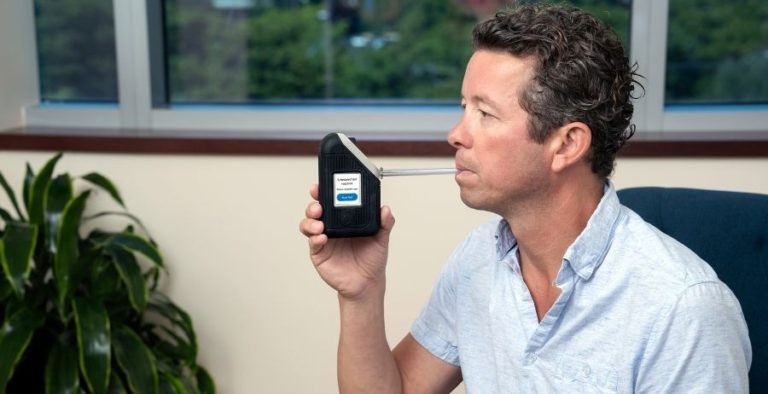
A commonly discussed example is Soberlink, an alcohol monitoring device that enables users to submit breath tests while securely delivering verified results to approved contacts. The broader significance of technologies like this lies in their ability to create dependable records without requiring extensive manual administration.
As digital monitoring continues to evolve, expectations around transparency and accountability are likely to increase across many environments.
Balancing Oversight and Privacy
Any monitoring system must balance information sharing with respect for personal privacy. Organizations and families should establish clear expectations regarding who receives results, how information is stored, and why monitoring is being used. Transparency regarding these processes helps maintain trust and ensures that technology serves its intended purpose.
Responsible implementation focuses on supporting positive outcomes rather than creating unnecessary surveillance.
Looking Ahead
Alcohol monitoring technology continues to advance alongside broader digital health innovations. Faster reporting, improved verification methods, and enhanced user experiences are making these tools more practical than ever before.
While no technology can replace personal commitment, professional guidance, or supportive relationships, smart monitoring solutions can provide valuable information that strengthens oversight and improves decision-making. As organizations and individuals seek more reliable ways to manage alcohol-related responsibilities, connected monitoring systems are likely to remain an increasingly important part of the conversation.