




Stem Cell Therapy for Diabetic Neuropathy: Can Regenerative Medicine Support Nerve Health?
Introduction
Diabetic neuropathy represents one of the most prevalent chronic complications of long-standing diabetes mellitus. Persistent hyperglycemia leads to severe microvascular damage, which starves peripheral nerves of vital oxygen and nutrients. Over time, patients experience nerve fiber degeneration, resulting in debilitating symptoms such as chronic burning pain, numbness, tingling, and a loss of protective sensation in the lower extremities. Conventional management relies heavily on anticonvulsants, antidepressants, and topical analgesics to mask the neuropathic pain, but these interventions do not repair the damaged nerve architecture. This limitation has driven significant clinical interest in Stem Cell Therapy for Diabetes in India as a restorative pathway.
The therapeutic rationale for using cellular biology in peripheral nerve health is rooted in neuroprotection and microvascular repair. Peripheral nerves possess a limited capacity for self-repair, especially when surrounded by a hostile, high-glucose metabolic environment. Mesenchymal stem cells (MSCs) help address this issue by altering the local environment. When introduced into the system, these cells migrate toward areas of tissue distress and release a broad range of neurotrophic growth factors and anti-inflammatory molecules that help shield surviving nerve fibers from further degradation.
How to Approach Regenerative Care for Nerve Health
Navigating a modern cellular protocol for diabetic neuropathic complications requires a highly coordinated, clinically supervised sequence:
- Neuropathic Baseline Quantification:Before starting treatment, patients must undergo comprehensive electrophysiological testing, including nerve conduction velocity (NCV) studies and electromyography (EMG), to map the exact degree of nerve impairment.
- Strict Glycemic Optimization:Cellular therapy is most effective when the surrounding environment is stable. Patients work closely with an endocrinologist to stabilize blood glucose and bring their HbA1c levels into an acceptable target range prior to the procedure.
- Formulating the Delivery Protocol:A specialized medical panel determines the optimal administration plan, which frequently combines systemic intravenous infusions to lower systemic inflammation with localized, target-specific injections near major peripheral nerve pathways.
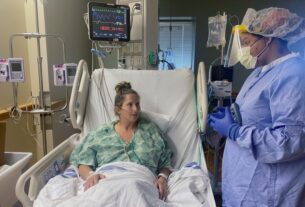
- The Cellular Administration Session:The procedure is conducted in a sterile medical environment. Clinical-grade stem cells are administered carefully under local anesthesia or light sedation to ensure maximum patient comfort.
- Integrated Neuro-Rehabilitation:Post-procedure care involves an intensive physical therapy regimen, including low-impact exercises and targeted neurological stimulation, designed to encourage nerve regeneration and restore functional balance.
Frequently Asked Questions
Can stem cell therapy completely cure advanced diabetic neuropathy?
Stem cell therapy cannot guarantee a complete or permanent reversal of long-standing nerve damage. The primary medical objective is to significantly reduce chronic burning pain, improve protective sensation in the feet, and slow the progressive degeneration of peripheral nerve fibers.
How do stem cells help restore damaged peripheral nerves?
Stem cells function primarily through paracrine signaling. They secrete essential neurotrophic factors and trigger angiogenesis (the formation of new microscopic blood vessels), which improves blood flow and oxygen delivery to oxygen-deprived nerve tissue.
Is the treatment safe for patients with high blood sugar?
Patients must achieve reasonable glycemic stability before undergoing the procedure. Attempting cellular therapy during an acute metabolic crisis or while blood glucose is completely unmanaged significantly decreases the survival and effectiveness of the administered cells.
When do patients typically notice improvements in nerve pain?
Biological responses vary by individual. Many patients report an initial reduction in burning sensations or improved tactile sensitivity within 4 to 8 weeks post-injection, with functional improvements continuing to develop over a 6-month window.
https://optic-atrophy.com/
https://retinitis-pigmentosa.co.in/
https://stargardt-disease.com/